Trust your body again.
When pain, symptoms, stress, or fear leave you feeling stuck, I help you feel safer in your body so you can re-engage with life.
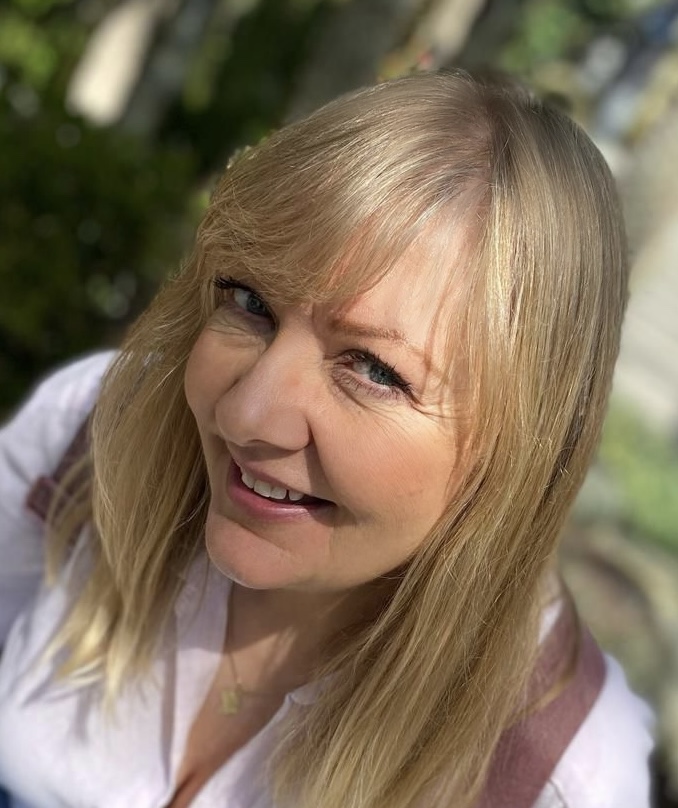
Julie Horton HDip CBH | Cognitive Behavioural Hypnotherapist
Pain can make life feel smaller. It can leave you bracing, overthinking, monitoring, holding back, or losing confidence in yourself. You may not even realise how much fear has started shaping your choices until you notice you are no longer living as freely as you once did.
Sometimes pain begins with something clear: an injury, illness, procedure, flare-up, or period of stress. Sometimes it lingers long after it should have settled. Sometimes the body starts to feel unpredictable, like it’s no longer a friend, and that uncertainty becomes part of the struggle.
Whatever the starting point, when the nervous system stays on high alert, symptoms can feel louder, recovery can feel harder, and life can begin to narrow.
I help people understand and change the patterns that may be keeping that cycle going, so they can feel steadier, safer, and more able to move forward.
This is 1:1 online therapy and coaching integrating CBT, mindfulness, clinical hypnosis, and ACT-informed strategies It is practical, personalised, and grounded in the understanding that pain and symptoms are shaped not only by the body, but by the whole load the system is carrying.
Is this for you?
This work may be a good fit if pain, or fear of pain — is starting to run your life:
- pain, symptoms, or flare-ups are starting to dominate your thoughts, choices, or confidence
- stress seems to make everything feel louder, tighter, or harder to manage
- you are bracing, avoiding, monitoring, or second-guessing movement, treatment, or everyday life
- your mind keeps jumping to worst-case interpretations of sensations
- you feel stuck between being told nothing serious is wrong and wondering why you still feel like this
- you have lost trust in your body, or in your ability to cope with what it is doing
- part of you senses that fear is now playing too big a role, but you do not know how to change the pattern
Often, it is not just one of these, but several woven together. Over time, they can become a loop, leaving you feeling trapped, vigilant, and held back from life.
Why this work can help
Pain is real. And the fear around it is real too. But pain is not shaped by tissue alone — it is also influenced by the nervous system, attention, stress, previous experience, environment — and what the brain and body have learned to expect.
Sometimes the body is still healing. Sometimes the tissues are no longer the main issue, but the system has stayed stuck in protection. Often, both are involved.
That is why two people can have a similar injury, diagnosis, or symptom pattern, yet experience very different levels of pain, fear, confidence, and disability.
Fear, bracing, avoidance, symptom-monitoring, inner tension, and loss of trust in the body can all intensify the experience and make life feel harder, smaller, and more frightening. Sometimes there is a deeper strain underneath it too: chronic stress, pressure, grief, unresolved emotion, or simply the exhaustion of living slightly on guard for too long.
When the life you are living is not quite aligned with who you are, your nervous system often knows before you can fully put it into words. Over time, the brain and body learn from what they are repeatedly having to carry.
This helps explain why the whole experience can become stuck in a strained loop — and why, with the right tools, it can begin to change.
My approach
My role is to help you feel safer in your body again. We don’t ‘push through’, we don’t ‘think positively’. It’s not all ‘in your head’, and we don’t pretend nothing is wrong.
This is about helping you understand what may be keeping the system on high alert.
Together, we work with the fear, habits, meanings, body responses, and wider pressures that may be holding the cycle in place. Everyone is unique, and every plan is tailored.
Work will include:
- calming the body and easing tension and bracing
- reducing symptom-scanning, overthinking, and worst-case interpretation
- changing avoidance patterns that keep fear alive
- rebuilding confidence in movement, treatment, or everyday life, step by step
- using graded exposure where helpful, so the system can learn safety through experience
- exploring the wider load your system may be carrying, where relevant
- using clinical hypnosis and mental rehearsal to support calm, coping, confidence, and change
My work integrates CBT, mindfulness, clinical hypnosis, ACT-informed strategies, and somatic tracking. That means we work not only with the symptom itself, but with your relationship to it — including thoughts, behaviours, attention, physiology, and fear.
Why I do this
I know what it is like to lose trust in your body and start spiralling. I know the fear, hypervigilance, and exhaustion that can come with pain and persistent symptoms.
My aim is to help people feel safer in their body again, so life can open back up.
Hypnosis: is it what you think?
This is not stage hypnosis, and you will definitely not be under my control.
Clinical hypnosis is more like a focused, absorbed state, similar to being deeply immersed in a film, a memory, or a daydream. You are aware throughout, and most people find it calm, natural, and easier than they expected.
Used skilfully, it can help reduce the sense of alarm around pain, support calm before procedures, build confidence in movement, and deepen the practical work we are doing in therapy.
How we work together
Free 30-minute consultation
We look at what is happening for you now, where you want to be, and whether this feels like a good fit.
Session one (75–80 minutes)
We map your particular pattern: the triggers, meanings, protective habits — what helps, and what may be keeping the system stuck. You leave with your first practical tools.
Follow-on sessions (60 minutes)
We build skills that help calm the cycle of fear and protection, and support steady re-engagement with life.
Are you ready to feel safer in your body?
No obligation, just a conversation about where you are and whether this could help.